Maggie Lake Talking Markets
Legendary Investor "Dr. Doom" on Luck, Risk, and Success
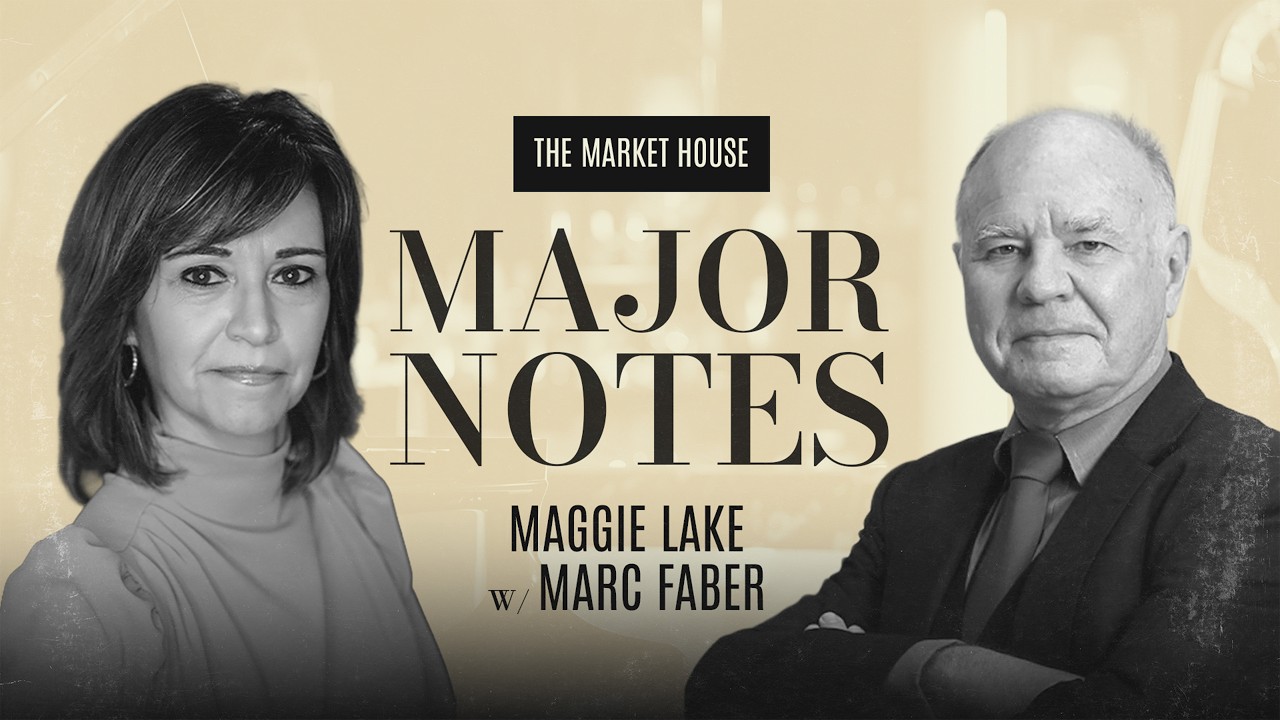
Most Important Insight
The speaker attributes his early career success and reputation as a currency expert to a single instance of extreme luck regarding the timing of his 1971 report on dollar devaluation, which coincided with the Nixon shock.
Most Original Insight
The speaker suggests that bypassing standard corporate compliance and gatekeeping mechanisms was a primary driver of his ability to build an investment business in 1973 Hong Kong.
Key Points
- Marc Faber identifies his birth in Switzerland as providing a significant 'pole position' advantage in his life.
- The speaker recounts publishing a report on US dollar devaluation just hours before the US abandoned the gold standard in 1971.
- This 1971 timing event immediately established his professional reputation as a currency expert.
- Faber moved to Hong Kong in 1973 to pursue business opportunities outside of traditional institutional constraints.
- The speaker emphasizes the role of raw initiative and cold-calling techniques in his early business development.
- The interview frames the speaker's career through the lens of luck, risk, failure, regret, and joy rather than specific market forecasts.
- The content provided is an excerpt from a longer interview focused on personal biography rather than current macro-economic analysis.
Investment Implications
| Asset / Sector / Instrument | Action | Source | Notes |
|---|---|---|---|
| US Dollar | HOLD | implicit | The speaker's historical focus on dollar devaluation suggests a long-term skepticism of fiat currency stability. |
| Gold | HOLD | implicit | The speaker's historical association with the 1971 gold standard exit implies a structural preference for hard assets. |
Hang on a sec…
- The speaker credits his career success largely to 'luck' regarding the timing of a single report, which may downplay the role of sustained analytical rigor in his long-term career.
- The narrative suggests that bypassing compliance gatekeepers was a positive strategy for business growth, which ignores the systemic risks and ethical implications of operating outside regulatory frameworks.
- The interview relies heavily on anecdotal personal history from the 1970s, which provides little actionable data for institutional investors navigating the current 2026 market environment.